
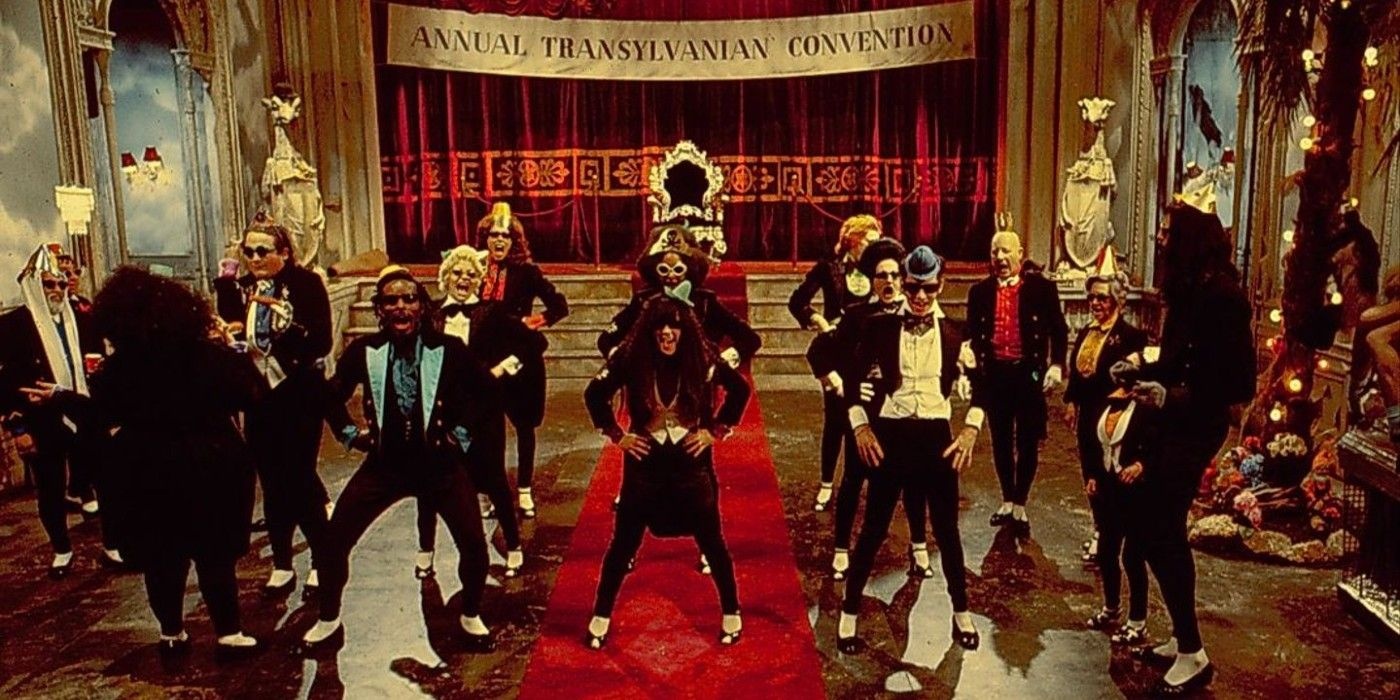
בְּרֵאשִׁית, Bereshit, “In the beginning…”
Not really. But let’s do a little time warp here. It’s just a jump to the left and then a step to the right. It’s 1984 and I’m born. It’s one of those years with an accompanying vibe that is not lost on me in 2025. How Orwellian can it get? I wonder if people born in 2001 will have similar vibes in their 40s with the AI-boom. That’s another topic for another blog that I’m not interested in.
I’m born in Cook County, Illinois, which, for any self-respecting Chicagoan, is where you want to be born. In Chicago, if your family is from the South Side, it doesn’t really matter if you’re Scandinavian or anything else. If there’s a drop of Irish blood somewhere, you’re Irish. It takes over. So here I was, an Irish Swede. I wouldn’t understand why the cultural vibe of my family never quite clicked with the Irish until later in life. My mother’s nordicness was unconquerable, and so was mine.
There’s a photo of me being baptized at a Roman Catholic Church. I forget how old I was — months at best. Flip the page in the family photo album and, there, are my parents being married, after I was born. They didn’t stay married long. My Catholic dip in the water never took hold.
Piecing together these weird bits of family history create a sense of completeness, as weird as that may sound. There’s more I’ve left out, of course. But now I understand why the Irish Catholics in the family (Remember: The Irish took over. Let’s not bring up their other heritage. You’d think they were 100% Irish.) would pray for my soul my whole life. I understand why some of them doubted my goodness or potential. Born out of wedlock and casually Papist…I was doomed. Sure, I took communion. That gave my uncle hope. I was confirmed, maybe a little more hope. But then I was confirmed Episcopalian, too. Done for.
No one in my family knows that when my cousin asked me to be his confirmation sponsor, I was a full fledged Episco-tarian. I was living in the world of both Unitarian Universalism and Episcopalianism. Sorry, cuz. Oh, I was openly gay, too. I’m pretty sure that means his confirmation is…invalid. Oops.
My mother’s spiritual wandering didn’t help matters, though it wasn’t flaunted. (Let me be clear, I celebrate her wandering!) Art Bell had her going far and wide into the paranormal. Wicca was and still is a casual touchstone. I can joke that our family was seriously considering Scientology for months, though we were too poor to make it official. Thank god for being poor. My father was baptized more times than I can count in any church that would dunk him. He liked the conservative movements for some reason — often when he messed up and knew people were about to kick him to the curb.
If it wasn’t for the UU and Episcopalian kids and, eventually, young adults, I would’ve been lost. It was a patchwork tribe. They had more in common than people think. Episcopalians have mystic Jesus and incense. UUs have Rocky Horror and vegan potlucks.
Leave out volumes of story and background as I may, all of this led to a deep sense of knowing as a child — I needed to find where I belonged. I wasn’t good enough for the Catholics. I wasn’t quite Irish enough. I was kept from the Swedes and Danes and all of them. I very clearly was not the hot mess of South Sider men in my family. I didn’t want to be. I was not a Christian. Not in the least. I tried with the Episcopalians (and occasionally others), but I kept coming back to the openness of the UUs. The UU kids saved me in high school.
And yet, as much as that tradition means to me and always will — as much as it is in my very bones, I still wandered. I’m grateful for that. Unitarian Universalism gives permission to do that. To put it in modern theological terms, UUism queers the religious and spiritual journey.
It’s not about choosing this or that. It’s about yes, and what next? As a gay American, as I’ve gotten older, I’m far more comfortable just saying “queer.” I’m still gay, yes, but there’s a freedom within the broader LGBTQ+ family that allows us (and our allies) to challenge expectations. Use queer as a verb. Unitarian Universalism does this for spirituality. Challenge those expectations.
So here I am. A Unitarian Universalist minister. The joke in the pray trade is that clergy often have 2 or 3 sermons at best. After November 2024, I have one: Hope. But my other two are this: First — This moment, right here, is where everything can begin again. Second — Life is only about the journey.
I’ve been on a journey and I always will be. Each wonderful spiritual tradition I’ve been fortunate to learn about has shaped me in some way and propelled me onward. This will always be the case. Each bit of UU history, each new religious movement tucked away in some small town somewhere, each emergent new world religion (looking at you, Chrislam), each quirky commune or new age shop or hybrid-mish-mash practice. All of it informs me in some way.
It’s just at this point of the dance, with my hands on my hips and my knees in tight, that I found the tribes that make the journey that much more life-giving. They’re the base camps for when you return after a long day of exploration.
Unitarian Universalism is like a traveling circus, but far more new age than what you’re imagining. Colorful silk scarves and peddlers of crystals and quinoa and macrame. People wear patchwork pants made of a variety of scraps of cloth, with dangling jewels and bells that clang with each step. There’s the Transylvanian side show, to honor history, and the stoic Transcendentalist tea lounge. The Puritans, bless their hearts, only come out in the morning — the slow hours — to tidy up. But under the big top, everyone is welcome and it’s one big show of discovery.
Judaism is like those mysterious shops, often filled with antiques, in movies or stories where someone needs sage advice at their lowest point. Open 24/7, it’s a refuge from the storm. The smell of old wood, the creak of ancient floorboards, and artifacts with histories far deeper than one would ever expect. Each item promises to lead you down thousands of years of commentary and enlightenment. When you ask the cost of anything, the old rebbe serving as the shopkeeper just says, “Far onkukn tsolt men keyn gelt nit.” It doesn’t cost anything to look. That’s the thing about this place. It doesn’t need you to buy anything. Look all you like. But take your time.
My history as a UU is well known. I’m a near lifer these days, which is rare. Lifers are even rarer. But all of this backdrop is important. And the place I find myself, with two distinct traditions in conversation with one another, matters, too.
But where did this desire to climb Mt. Sinai come from? How does that get incorporated into the dance, the journey, and so on?
Well, that’s for next time. Until then, time for some Rocky Horror.